

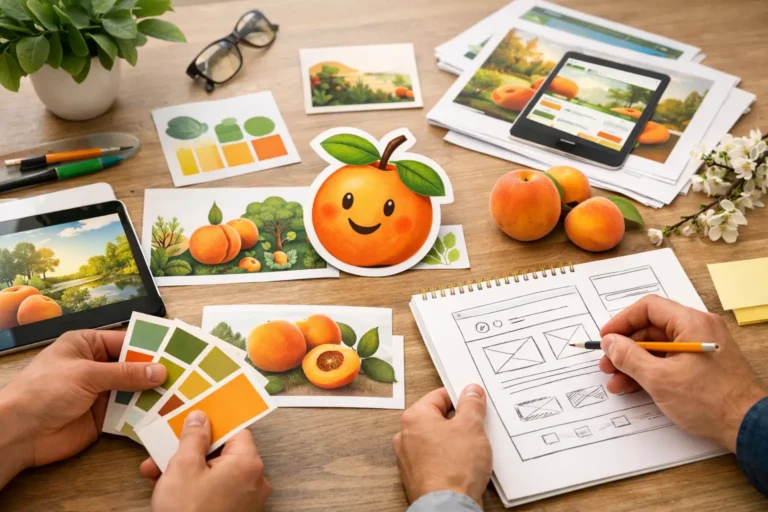
A membership website should not make prospective members wonder where to join, current members struggle to renew, or staff spend every week fixing the same avoidable problems. Nicasio Design custom Wild Apricot design focuses on making the platform work like a credible extension of your organization, not a generic portal with a logo placed at the top.
Wild Apricot gives associations, nonprofits, clubs, and member-driven organizations a practical foundation for memberships, events, directories, donations, and email communication. That foundation is valuable. But the default experience can leave organizations with an outdated appearance, confusing navigation, inconsistent messaging, and pages that do not reflect the quality of their work.
Custom design closes that gap. It brings brand, usability, membership goals, and platform realities into the same plan.
Why Default Wild Apricot Designs Often Underperform
A standard Wild Apricot template can get an organization online quickly. For a new group with a small budget and simple needs, that may be the right starting point. The trade-off is that templates are designed to serve many types of organizations at once. They rarely speak clearly to a specific audience or support a more sophisticated member journey.
The issue is not only visual. A weak design affects how people move through the site. A visitor may not understand the value of membership before reaching a registration form. An event page may bury key details. A member directory may be difficult to scan. A mobile visitor may encounter a layout that feels crowded or dated.
When those problems persist, staff often compensate manually. They answer basic questions by email, send members around the site for information, or maintain workarounds outside the platform. That is time lost to a website that should be reducing administrative effort.
A custom approach starts with the organization’s actual priorities. Are you trying to increase membership applications? Improve event registrations? Make resources easier to find? Present a stronger case to donors, sponsors, or partners? The design should support those outcomes page by page.
What Custom Wild Apricot Design Changes
Custom Wild Apricot work is not simply a new color palette. It is a redesign of the experience around the platform’s core capabilities. The goal is to create a site that feels distinct to your organization while staying practical for your staff to manage.
A clearer path to membership
People do not join because they found a membership form. They join because the website makes the value proposition clear. A well-designed membership section explains who the organization serves, what members receive, how dues work, and what happens after someone applies.
This may include stronger calls to action, a better comparison of membership levels, testimonials or proof points, and content that answers common objections before a visitor has to ask. The right structure varies by organization. A professional association with several membership tiers needs different guidance than a local club with one annual membership option.
Branding that supports trust
For many organizations, the website is the first substantial interaction a prospective member has with the brand. If it looks disconnected from your communications, events, or professional reputation, visitors notice.
Custom theme design can bring consistency to typography, colors, buttons, imagery, page layouts, forms, and navigation. It also provides room for a stronger homepage that leads visitors toward priority actions instead of presenting a collection of unrelated announcements.
Good branding is not decoration. It helps visitors recognize where they are, understand what matters, and feel confident they are dealing with an organized, established institution.
Better content hierarchy
Membership organizations often have more information than a typical small business site: benefits, policies, advocacy, chapters, events, education, news, volunteer opportunities, documents, and member-only materials. The challenge is not adding more menu items. It is helping people find the right information without thinking too hard.
Custom design creates hierarchy. It separates primary actions from supporting content, organizes navigation around real user needs, and gives important information a consistent home. Members should not need to guess whether an item belongs under Events, Resources, About, or a catch-all page with an unclear label.
More useful member-facing features
Wild Apricot includes valuable membership functionality, but the presentation of that functionality matters. Custom member profiles, directories, renewal pages, and restricted content areas can be designed to feel more intentional and easier to use.
For example, an organization may need profiles to highlight professional credentials, locations, specialties, or volunteer roles. Another may need a directory that helps members connect around shared interests. These are not identical needs, so they should not be forced into identical layouts.
The Right Design Respects the Platform
Wild Apricot has strengths and constraints. A dependable custom build works within those realities instead of promising features that create maintenance problems later.
That means evaluating what should remain native to Wild Apricot, what can be improved through theme customization, and where a separate custom component is justified. Some requests are straightforward, such as improving page templates, navigation, responsive styling, or membership landing pages. Others require more planning, particularly when they involve external systems, advanced data display, or a workflow the platform was not built to handle.
The best answer is sometimes a custom solution. Sometimes it is a simpler process that staff can maintain without technical help. A good web partner will explain the difference before development begins.
This is especially important when an organization has lived with years of additions, old pages, and outdated navigation. Rebuilding every existing page exactly as it is can preserve the same problems under a new visual layer. A redesign is the right time to decide what content still earns its place and what should be retired, combined, or rewritten.
A Practical Process for a Wild Apricot Redesign
A successful project begins before design files are created. First, the team needs a shared view of the current website: what is working, where visitors get lost, which pages matter most, and what staff struggles to update. Analytics, staff feedback, member questions, and registration patterns can all reveal useful priorities.
Next comes the site structure. This is where navigation, page relationships, member journeys, and content priorities take shape. It is easier and less expensive to fix a confusing structure before visual design and development are underway.
Then the visual system is applied. A custom Wild Apricot theme should reflect the organization’s established brand while accounting for real platform elements such as event registration, login states, forms, directory listings, and member-only pages. Designing only the homepage is not enough. The less glamorous pages are often where members spend the most time.
Development and testing follow. This includes checking the site across screen sizes, confirming that registrations and membership workflows behave correctly, reviewing administrative controls, and addressing accessibility considerations. A design that looks polished on a desktop monitor but creates friction on a phone is not finished.
Finally, staff need a workable handoff and ongoing support. Organizations change. Events are added, content needs evolve, board priorities shift, and platform updates happen. A website should have a reliable path for improvements after launch rather than becoming another system everyone is afraid to touch.
When a Custom Build Is Worth the Investment
Not every Wild Apricot site requires a major redesign. If your organization has a limited number of pages, a stable membership process, and a template that is still serving visitors well, targeted improvements may be more appropriate. Updating key landing pages, cleaning up navigation, and improving mobile styles can deliver meaningful results.
A broader custom project makes sense when the site no longer represents the organization, members routinely need help completing basic tasks, staff cannot keep content organized, or the website is holding back membership and event goals. It is also a strong fit after a rebrand, merger, major program expansion, or shift toward a more professional audience.
The key question is not whether the current website is technically online. It is whether it is doing the job your organization needs it to do.
Nicasio Design Custom Wild Apricot Design for Long-Term Use
The strongest Wild Apricot websites balance ambition with maintainability. They look and perform better because the design is tied to how members, prospects, and staff actually use the platform. They do not depend on a fragile collection of one-off fixes that only one person understands.
Nicasio Design approaches these projects as an ongoing partnership, with platform-specific experience across redesigns, custom member experiences, theme customization, and website support. The work is grounded in a simple standard: your site should make a stronger first impression, guide people toward action, and remain manageable after launch.
If your current Wild Apricot website feels more like an administrative necessity than a useful membership tool, start by identifying the moments where users hesitate. Those moments usually point directly to the improvements that will matter most.